
Care Schedule
How Often Should You Detail Your Car in Tennessee?
Pollen in spring, heat and storms in summer, road treatments in winter — a realistic detailing rhythm for a Middle Tennessee year.
The short answer
For most Middle Tennessee drivers, two to three full details a year is the sweet spot — with lighter maintenance work in between and exterior protection renewed on its own schedule. Vehicles parked outside, carrying pets or kids, or covering long daily commutes do better at the shorter end. The interval is really set by three things: where the vehicle sleeps, what rides in it, and what protection is currently on the paint.
Tennessee gives a vehicle a distinct set of problems across the year: a heavy pollen spring, a hot and humid summer with hard afternoon storms, sap and falling debris in autumn, and road treatments during winter cold snaps. None of those are extreme on their own. Together, over a year, they're the reason a vehicle that never gets more than a rinse looks tired by the second summer.
A Realistic Middle Tennessee Year
| Season | What it does to the vehicle | What helps |
|---|---|---|
| Spring | Heavy pollen on paint and pulled into cabin filters and carpet | Protection in place before the season; frequent gentle rinses |
| Summer | UV on paint and interior plastics, humidity, hard storms, bug residue | A sealant or coating; UV protection on interior surfaces |
| Autumn | Tree sap, falling debris, leaf staining on horizontal panels | Prompt removal; decontamination at the next detail |
| Winter | Road treatment residue on lower panels and tracked into carpets | A wash-and-wax cycle after cold snaps; interior extraction |
What Sets Your Interval
Where the vehicle is parked
A garaged vehicle is protected from most of what's above — sun, sap, pollen settling overnight. A vehicle that lives in a driveway or an open apartment lot collects all of it and generally wants a shorter interval.
What rides in it
Dogs, kids, gym bags, job-site gear and daily coffee are interior variables, and the interior drives most of the labor in a detail. A commuter that carries one adult and a laptop is a very different job than a family SUV.
What protection is currently on the paint
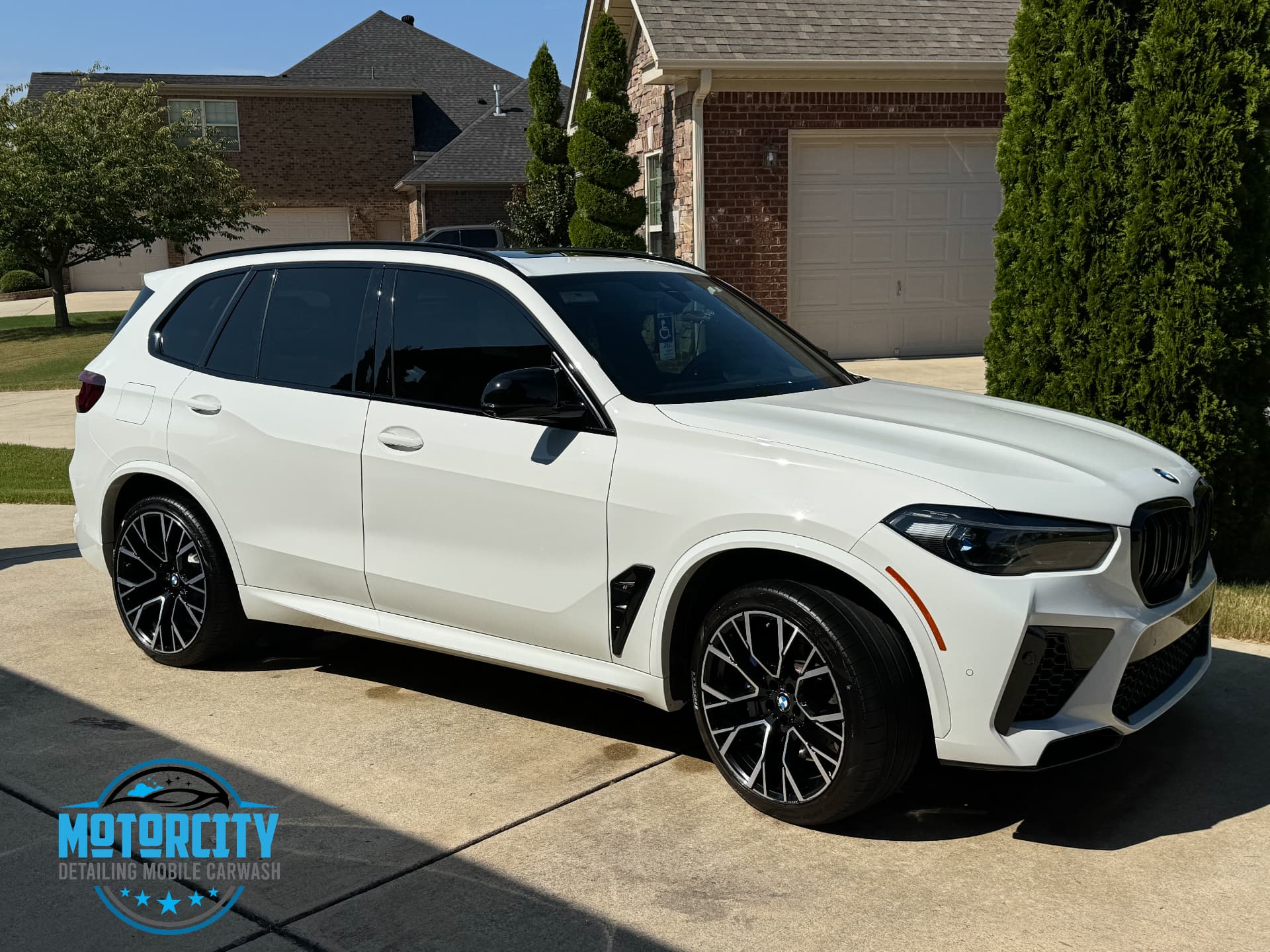
This is the piece people miss. A spray wax on the Motorcity Detail gives roughly one to three months. The ceramic sealant on the Signature and Special is rated for six to twelve. A dedicated ceramic coating is the long-term option. Your exterior interval should follow whichever of those is on the vehicle — not the calendar.
Protection is what decides how long the result holds
Summer is harder on interiors than paint
Sustained heat and UV through the glass is what fades and hardens dash plastics and dries leather. Cleaning interior surfaces and putting UV protection back on them is a maintenance step, not a cosmetic one.
Where does your vehicle sit today?
Tell us how it's parked, what rides in it and when it was last detailed — we'll recommend an interval that isn't overkill.
Three Common Schedules
01
Garaged commuter
Two full details a year, timed before and after summer. Sealant renewal at each. Interior stays easy because little gets into it.
02
Driveway family SUV
Three details a year, with the interior driving the timing. Shampoo and extraction at least once, usually after winter.
03
Outdoor work truck
Quarterly exterior maintenance to keep road film and treatment residue from sitting, plus one deeper interior reset a year.
04
Enthusiast or garage-kept show car
A coating or sealant maintained on schedule, with correction only when needed. Frequency matters less than doing each wash correctly.
What to Do Between Details
Most of the damage a vehicle picks up happens between appointments, not during them. Three habits do the most good:
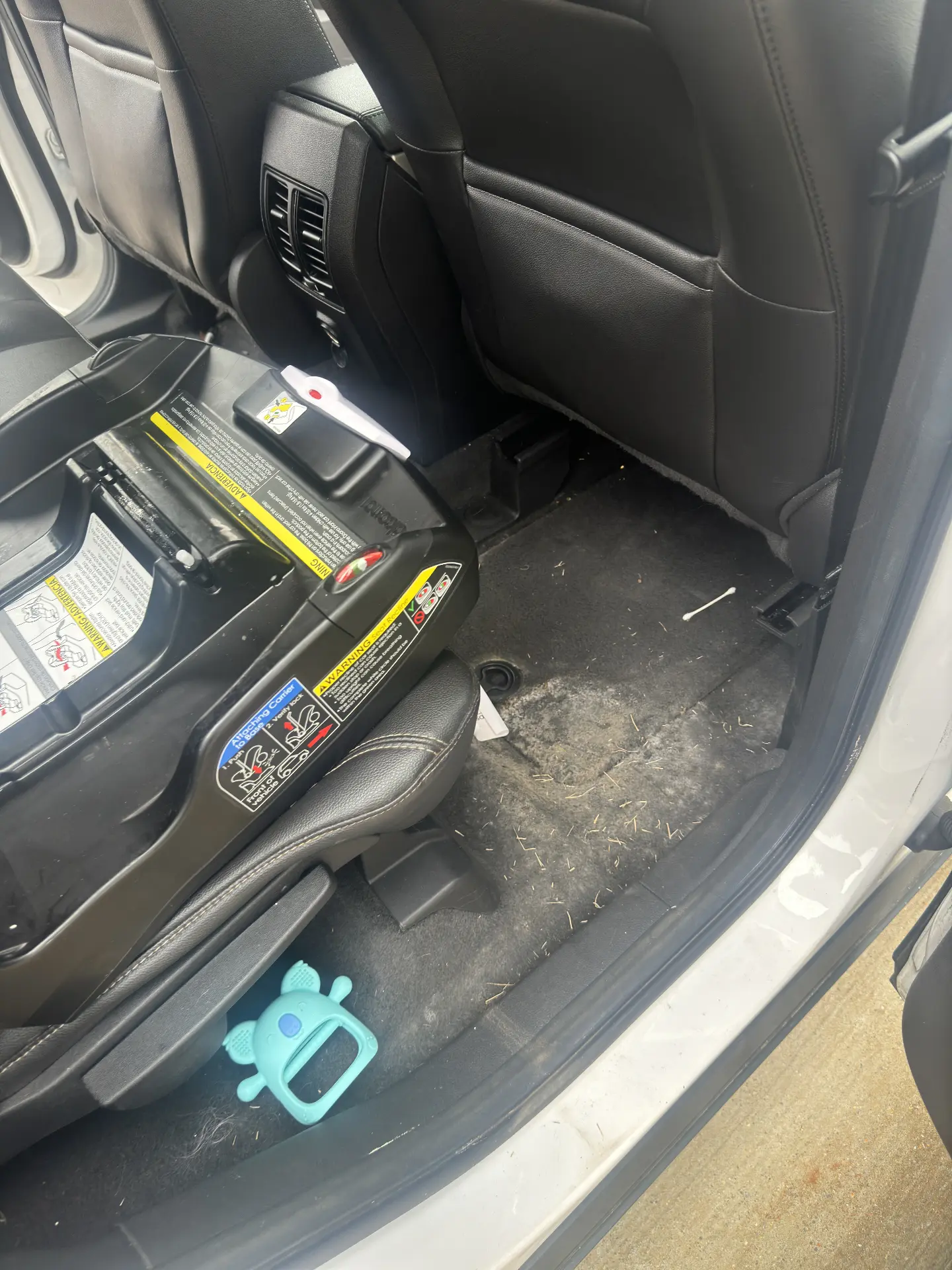
Rinse before you rub. Pollen, dust and grit are abrasive — wiping a dry, dusty panel with a towel is how swirl marks start. Deal with sap, bug residue and bird droppings quickly, since they etch fastest in heat. And keep floor mats out and shaken rather than letting grit grind into the carpet backing.
Grit in the carpet is abrasive — mats out, shaken, back in
Spring: get ahead of pollen
The best pollen strategy is protection applied before the season starts, so pollen sits on a slick surface and rinses off instead of clinging to bare clear coat.
After a cold snap
Road treatment residue collects on rocker panels, behind wheels and under the vehicle, and gets tracked into carpets on boots. A wash & wax plus interior extraction is the straightforward fix.
Signs You're Overdue
Rather than counting months, look for these: paint that feels rough instead of slick, water sheeting flat across panels rather than beading up, interior plastics that look dull or feel tacky, or a cabin smell that returns a day after you air it out. Any one of them means the current protection and cleaning have run out.
If you'd rather not guess, book a mobile detail in Nashville and ask us at the appointment. We'll tell you honestly what your vehicle needs and roughly when it will need it again — including when the answer is "not yet."
Maintenance vs. reset
A maintenance detail keeps a clean vehicle clean and is quick and repeatable. A deep reset — shampoo, heated extraction, steam, decontaminated paint — undoes accumulation. Do the reset once, then maintenance becomes realistic again.
Where we detail
Motorcity Detailing is mobile across Nashville and Middle Tennessee, arriving with water and power onboard. See how appointments run in Nashville, Brentwood, Franklin and Mt. Juliet.
Related services
Common questions
Detailing Frequency FAQs
How often should I detail my car in Tennessee?
For most Middle Tennessee drivers, a full interior-and-exterior detail two to three times a year keeps a vehicle in good shape, with lighter maintenance work in between. Vehicles that live outside, carry pets or kids, or cover long daily commutes benefit from a shorter interval.
How often should exterior protection be renewed?
It depends on what was applied. A spray wax gives roughly one to three months. A ceramic sealant on the Motorcity Signature or Special is rated for six to twelve months. A dedicated ceramic coating is a longer-term option and is quoted separately.
Does pollen season change the schedule?
It changes what you do between details more than how many details you need. Protected paint releases pollen far more easily, so having protection in place before spring is the practical move.
Is winter detailing worth it in Tennessee?
Yes. Road treatments used during cold snaps leave residue on lower panels and wheel wells, and they get tracked into carpets on boots. A detail after a cold stretch removes both.
Get on a Sensible Schedule
Book a detail and we'll tell you honestly when the vehicle will next need one.
Starting prices vary by vehicle size, service selected and vehicle condition.